FTTH Deployment Trends in the Middle East and Africa
By Jergeo Engineering Team | June 20, 2026
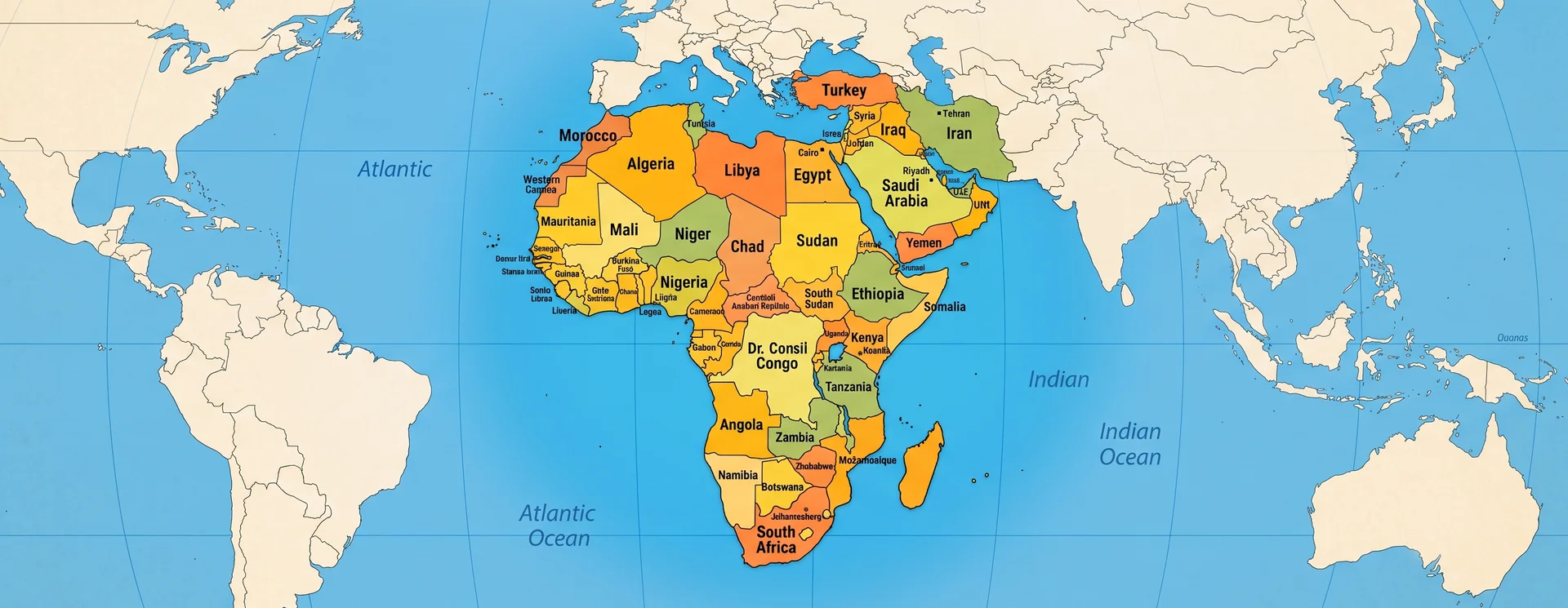
Fiber-to-the-home deployment is accelerating across the Middle East and Africa, driven by government broadband initiatives, growing urbanization, and increasing demand for high-speed internet. For ODN equipment suppliers, this creates significant opportunity — but also specific requirements that differ from other markets.
Summary
FTTH deployment in the Middle East and Africa is accelerating, with buyers prioritizing IP65-rated outdoor fiber distribution cabinets, compact distribution boxes, and IP68 splice closures that withstand harsh climates.
The Deployment Landscape
Several factors are driving FTTH rollout in the region. National broadband plans in Saudi Arabia, UAE, and other Gulf states are pushing fiber coverage into residential areas at scale. In Africa, markets like Nigeria, Kenya, and South Africa are seeing ISP-led FTTH expansion in urban centers.
The common thread: these deployments need outdoor-rated fiber distribution equipment that can handle harsh environmental conditions — high temperatures, dust, and in coastal areas, salt spray.
What Buyers Are Asking For
Based on our experience shipping to the region, the most frequently requested products are:
- Fiber Distribution Cabinets (FDC) — SMC material, IP65-rated, 72-576 ports, for outdoor wall-mount or pole-mount installation
- Fiber Distribution Boxes (FDB) — Compact ABS or PC+ABS enclosures, 12-96 ports, for indoor/outdoor use in multi-dwelling units
- Fiber Splice Closures (FSC) — Dome and in-line types, IP68-rated, 48-288 cores, for underground and aerial deployments
Key Requirements
Buyers in this market consistently emphasize three things: environmental rating (IP65/IP68), material durability (SMC for outdoor cabinets resists UV and corrosion), and competitive pricing for volume deployments. OEM/ODM capability is also important — many ISPs want custom branding or specific port configurations.
Lead time and MOQ flexibility matter as well. Projects in the region often start with pilot deployments of a few dozen units before scaling to thousands. Suppliers who can accommodate small initial orders with fast delivery tend to win repeat business.
Related Products
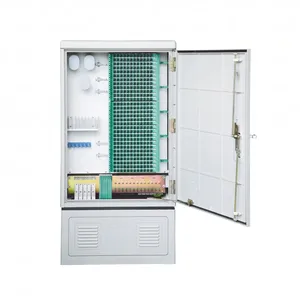
JFDC-288A Fiber Distribution Cabinet
288 ports FDC with wall/pole mounting options
View Product →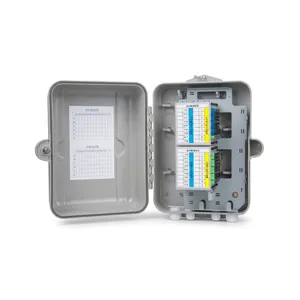
JFDB-64A Fiber Distribution Box
64 ports FDB with SMC material and integrated splitter
View Product →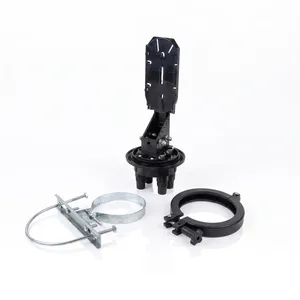
JFSC-L144A Horizontal Fiber Splice Closure
Horizontal 144 ports splice closure with PC material
View Product →References
- The Fiber Optic Association (FOA) — fiber optic technology reference and training resources
- Fiber Broadband Association — FTTH market data and deployment research
- ITU-T G.984 — Gigabit-capable Passive Optical Network (GPON) standard
Need ODN equipment for your FTTH project?
We supply FDC, FDB, FSC, and related products to buyers across the Middle East and Africa. Contact us with your project specifications.